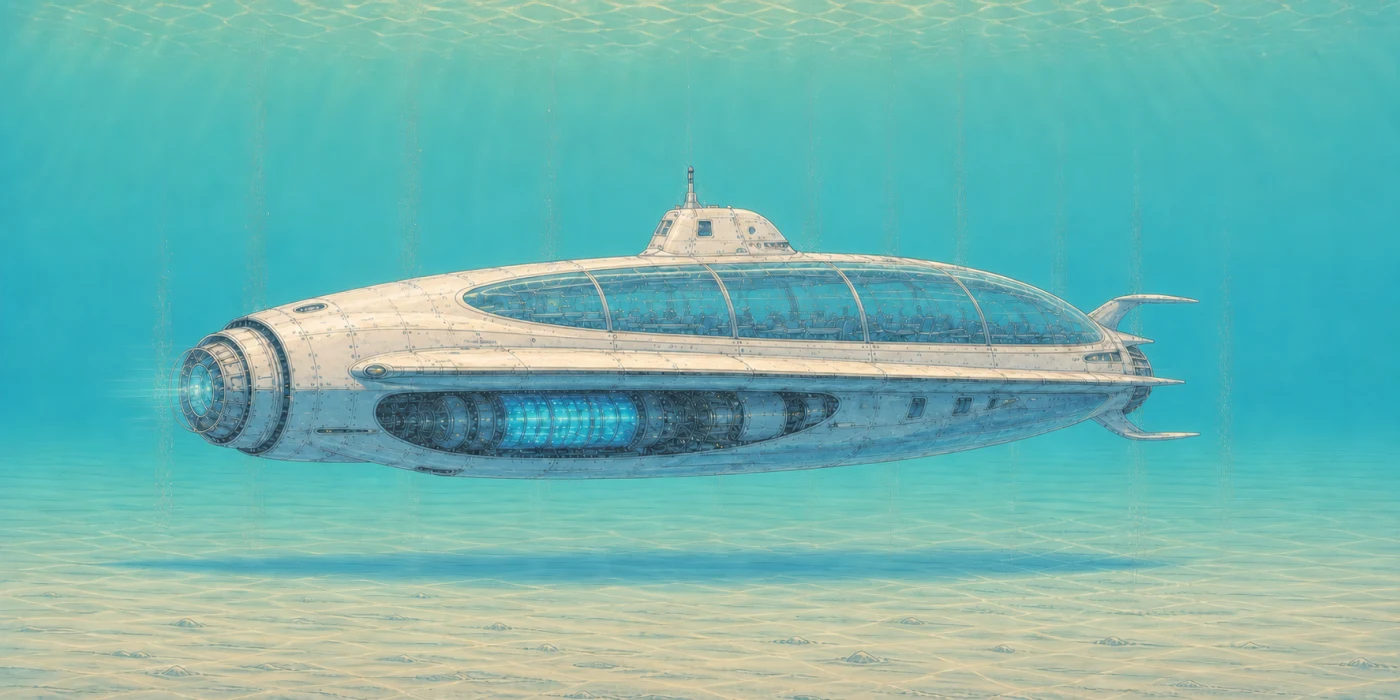
Dreamers / 3D prototype 001

Back to the water

Image → object → world

We built this to explore 3D space in a pixel world

The first step is imagination. The second step is math.

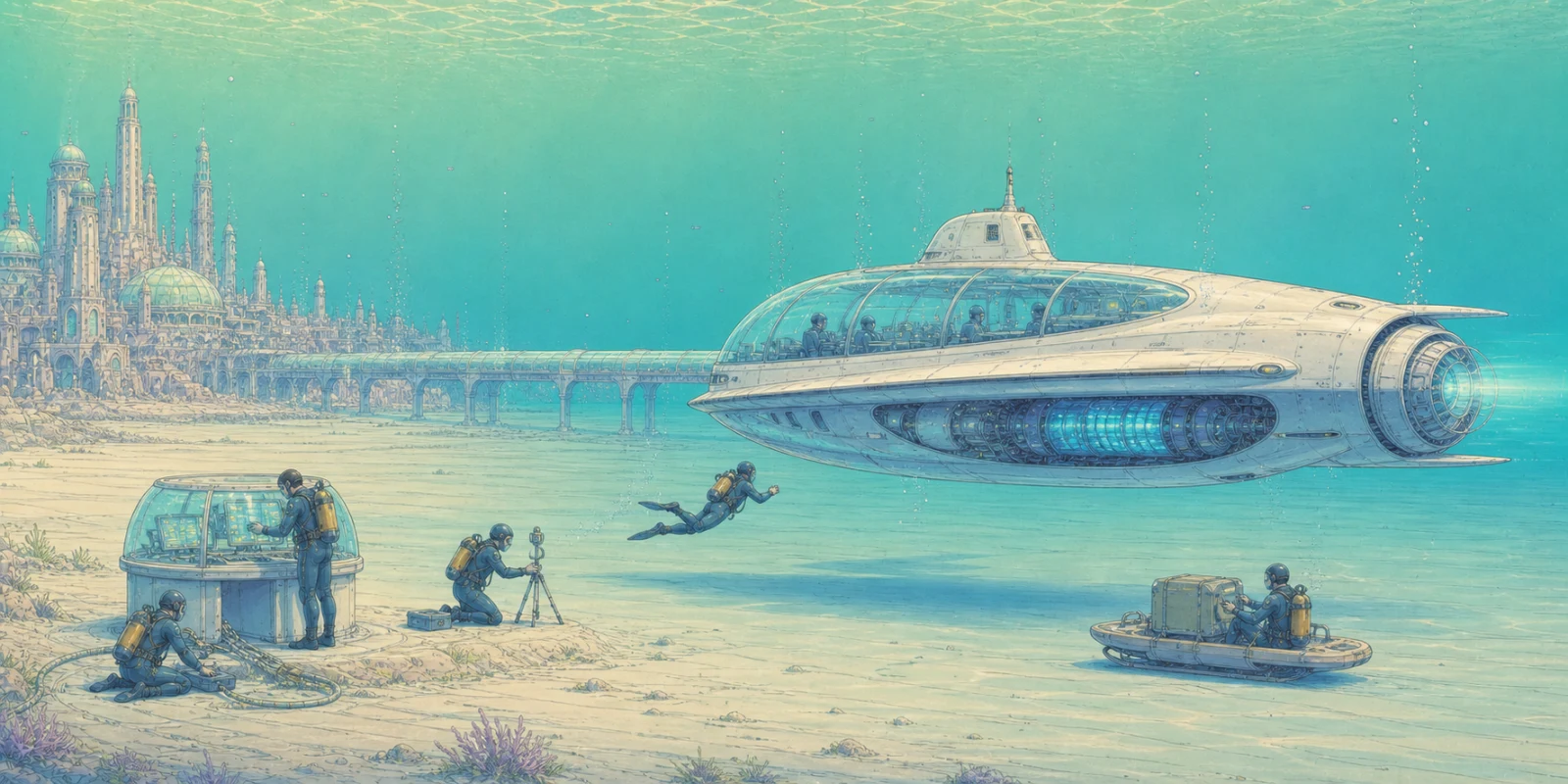
Original AI-generated Atlantis scene with an ivory submarine, divers, ocean floor, bridge, and distant city
00 / Source frame
01

World here. Object there.

The source mixed vehicle, people, city, water, and sand. We separated the two assets that needed different treatment.

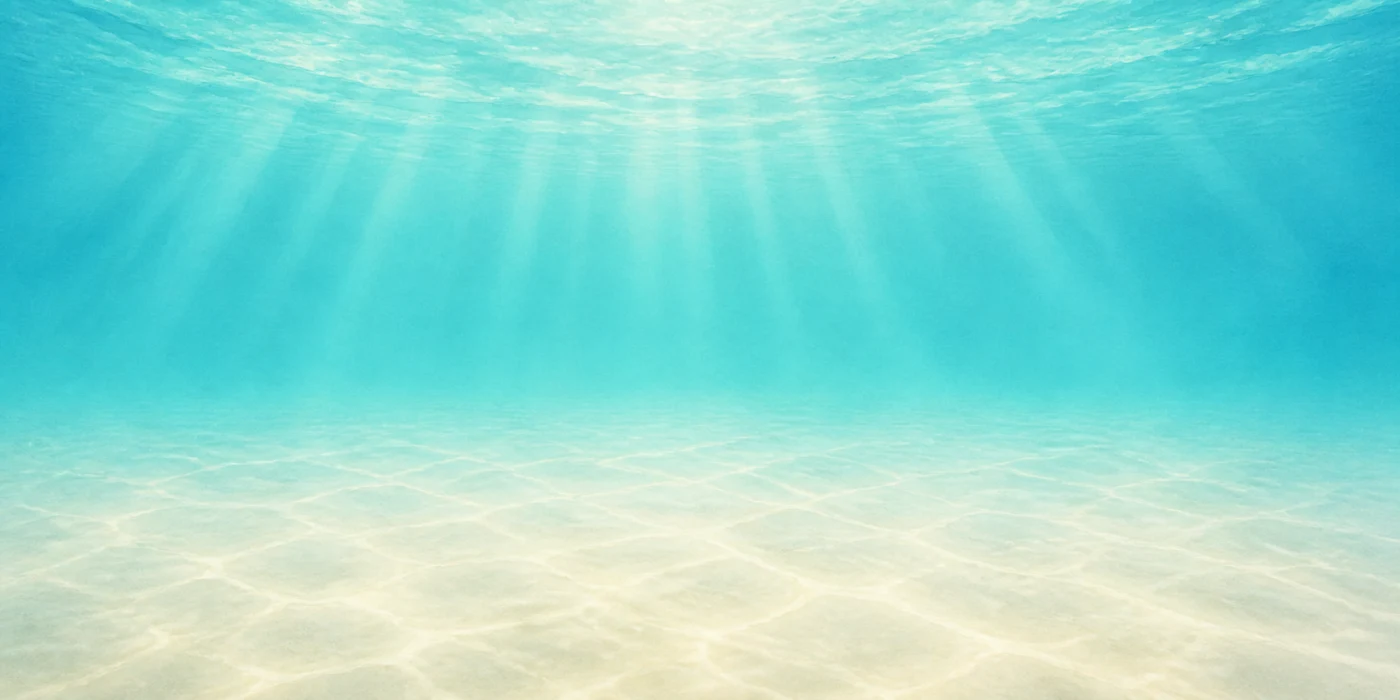
Water-only plate with sunlit surface and sandy ocean floor
World platewater / light / floor
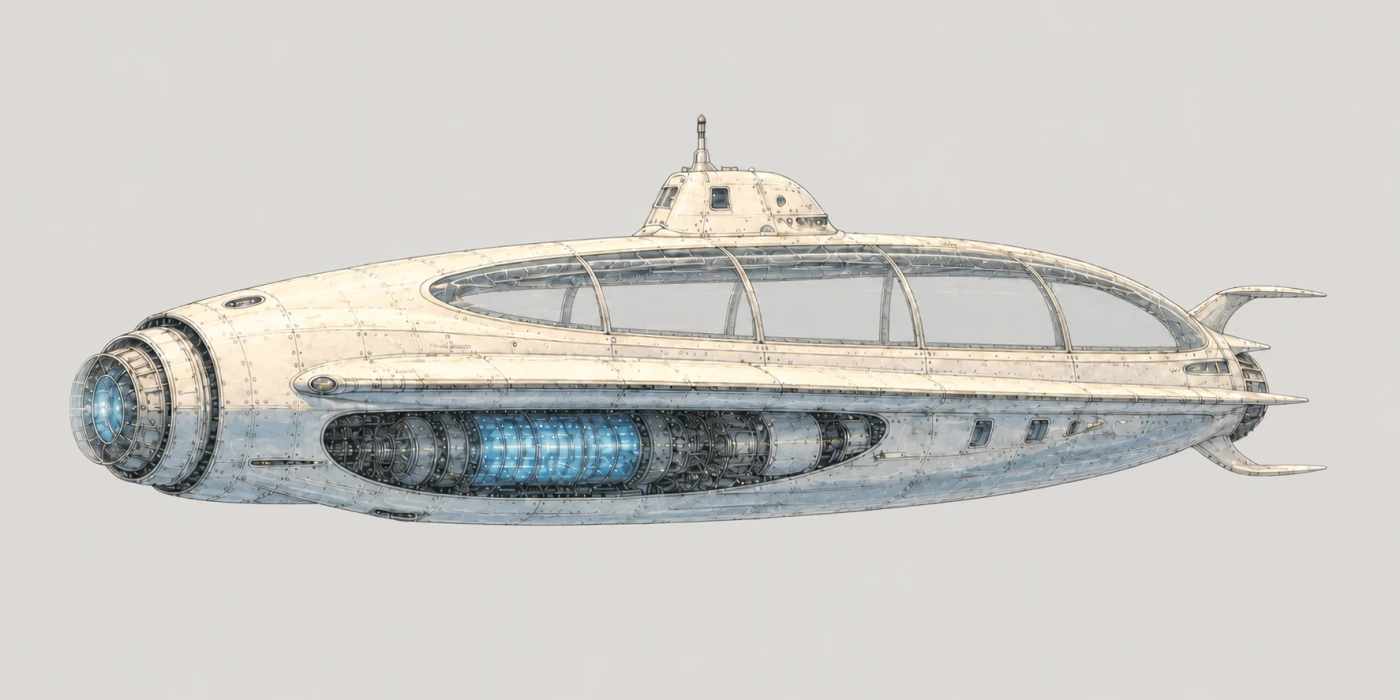
Submarine isolated on a neutral background
Object platesilhouette / color / detail
02

Use the view with the most information.

The clean starboard image had the strongest silhouette and surface detail. TRELLIS.2 reconstructed that view into the production mesh.

Simplified starboard reference view of the submarine in quiet water
Reconstruction inputSingle clean reference / starboard three-quarter

ReferenceSingle image

AssetTextured GLB

Hidden sidesInferred

03

How many 2D images does it take to get us 3D?

We used an image-generation model to imagine the submarine inside a coherent underwater ecosystem from eight viewpoints.

These are generated views—not calibrated photographs from fixed cameras.

Strip away the ecosystem

In modern 3D processing, less is more.

As we experimented, we removed water, sand, bubbles, architecture, and people. The reconstruction model needed the object—not the world around it.

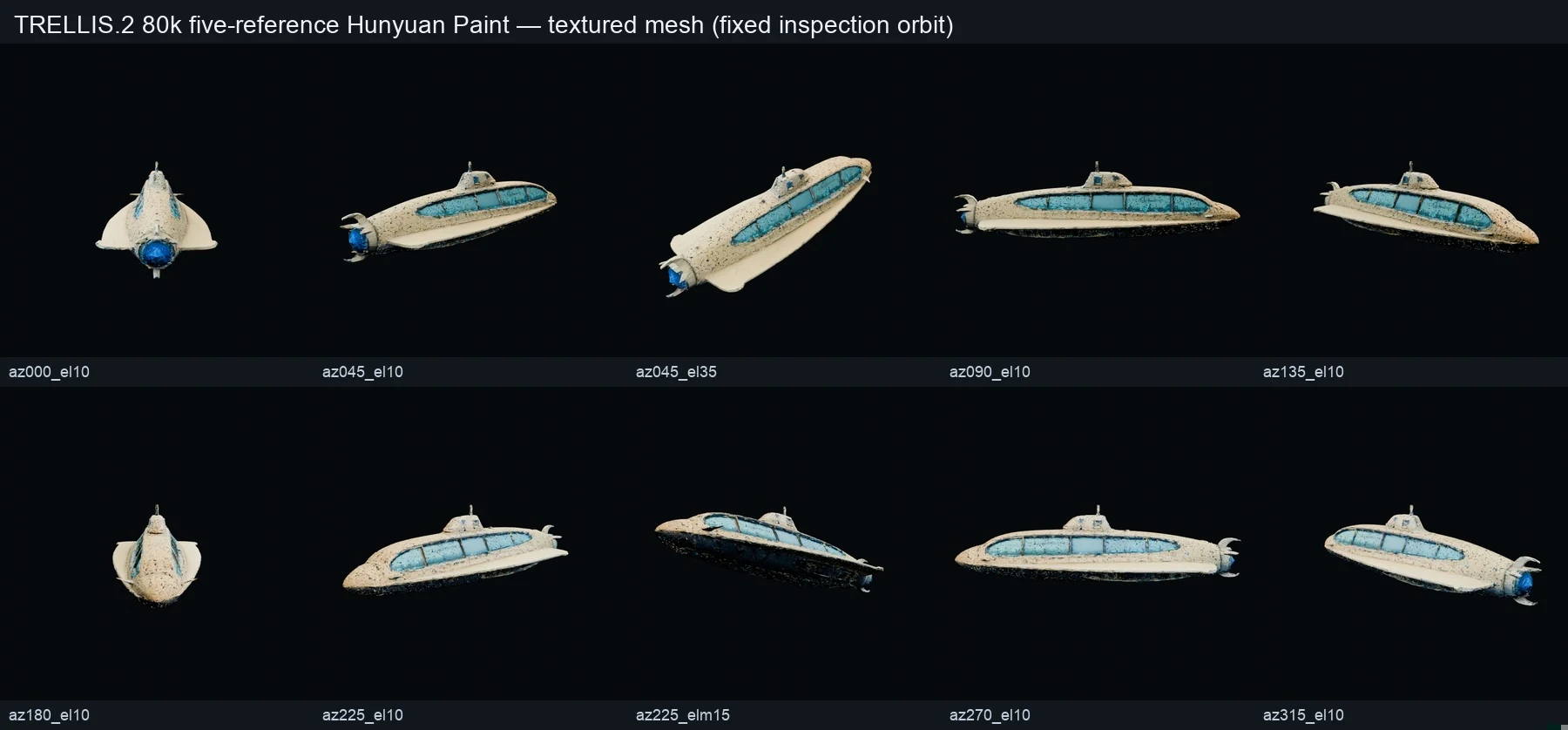
Multi-image solutions are very ugly!

Inspection orbit of a compromised five-reference textured submarine mesh with inconsistent shape and surface detail
Actual five-reference output / fixed inspection orbit

Find G such that  Πi(G) ≈ Ii

Each image Ii asks one geometry G to match a camera projection Πi. With real calibrated photos, extra views reduce ambiguity. With separately generated views, the windows, hull, proportions, and camera can shift between frames. Then no single geometry satisfies every image.

Why one worked better here: one clean image supplied one internally consistent silhouette, texture, and perspective. The model inferred the unseen surfaces once instead of averaging contradictory evidence.

The limit: a single image still cannot reveal hidden geometry. Current generators trade geometric truth, texture fidelity, topology, and view consistency against one another. None solves all four perfectly yet. The working result below shows how close the practical output can already get.

3D Mesh

Interactive mesh loads when it enters view

05

Six moves. One browser object.

  1. 01 / MaskKeep hull pixels. Drop the scene.
  2. 02 / InferEstimate geometry beyond the visible surface.
  3. 03 / BakeAttach color to UV space so it moves with the mesh.
  4. 04 / RenderInspect repeatable camera angles.
  5. 05 / RejectDiscard weak topology and false detail.
  6. 06 / ExportPackage geometry and texture as GLB.
06

Use pixels far away. Geometry up close.

360 panoramaDistant city, bridge, water column, surface light
Mesh floorNear sand, motion parallax, physical boundary
Light rigBroad sun, diffuse water light, readable highlights
Hull collisionBVH contact keeps the camera outside the ship
ControlsWASD + mouse + inertial vertical scroll
DeliveryStatic HTML, JavaScript, GLB, and images
07

Palazzo: one room photo in. Spatial product preview out.

Same core problem, different world: infer useful 3D structure from a flat image, then make the result sit naturally in the scene.

InputRoom photo + product catalogs
UnderstandSegmentation + monocular depth + retrieval
PlaceMesh + pose + scale + light